Why I Still Recommend Goat Milk
An Iridologist’s Perspective on Nourishing the Body
There are some things we learn from books, and there are other things we learn through years of observing the human body, working with people, studying nutrition, and paying attention to what nature provides.
For me, nutrition has always been a combination of both.
As an iridologist, I have spent much of my life looking at the whole person. Iridology taught me early on that we cannot separate one part of the body from another. Digestion matters. Nutrition matters. Elimination matters. Stress matters. Rest matters. And the quality of what we put into the body matters.
That is one of the reasons I continue to have an appreciation for goat milk as a nourishing whole food.
I was also fortunate to have an extraordinary teacher.
Dr. Bernard Jensen was my father-in-law, my mentor, and I had the privilege of being his protégé. I learned from him not only by listening to his lectures and reading his books, but by watching the way he worked with people, food, herbs, minerals, nature—and, of course, his goats.
Many of the principles he taught became part of the foundation from which I continued to learn and develop my own understanding of health.
But after all these years, my appreciation for goat milk isn't simply because Dr. Jensen recommended it.
I recommend it, too.
What I Appreciate About Goat Milk
When we talk about milk, I don't think the conversation should begin with whether something is simply "good" or "bad."
I want to know more.
- What is the quality of the food?
- Where did it come from?
- How was the animal raised and fed?
- How has the food been handled?
- How well does the individual digest it?
- What does it contribute to that person's overall nutritional picture?
- Why food sourcing matters?
- And what are the benefits of goat milk?
Those are the kinds of questions I have spent my life asking.
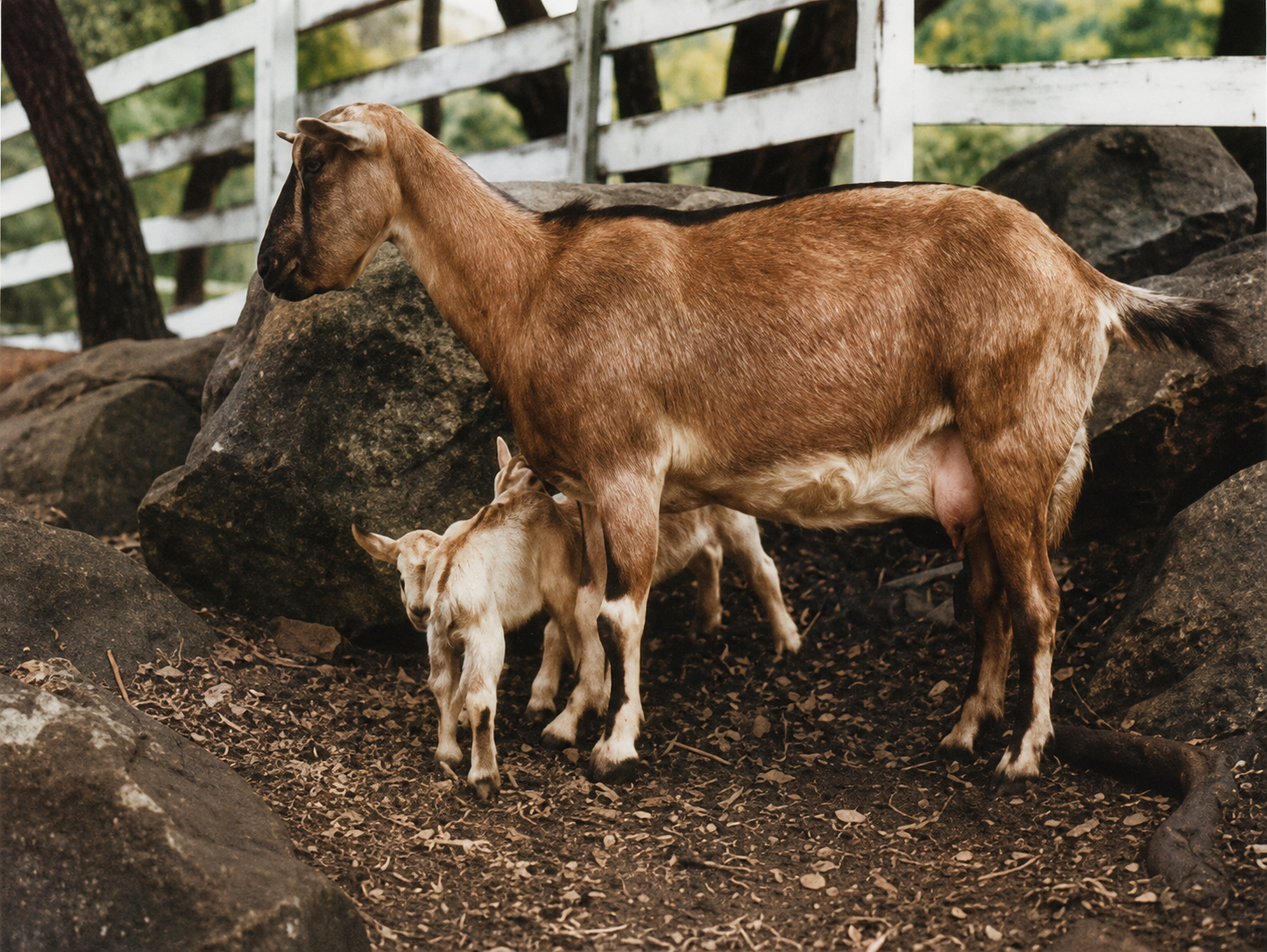
Goat milk interests me because it is a naturally nutrient-dense whole food containing protein, fats, carbohydrates, vitamins, minerals, and trace elements. It can be incorporated into the diet in several forms, including milk, yogurt and other cultured foods.
I especially appreciate its mineral content because minerals are fundamental to so many of the body's normal processes.
We hear a tremendous amount about vitamins, but minerals deserve just as much attention.
Calcium, phosphorus, magnesium, potassium, zinc, copper and other minerals and trace elements all contribute to the nutritional foundation the body depends upon.
That foundation has always been important in the way I look at health.
Digestion Matters
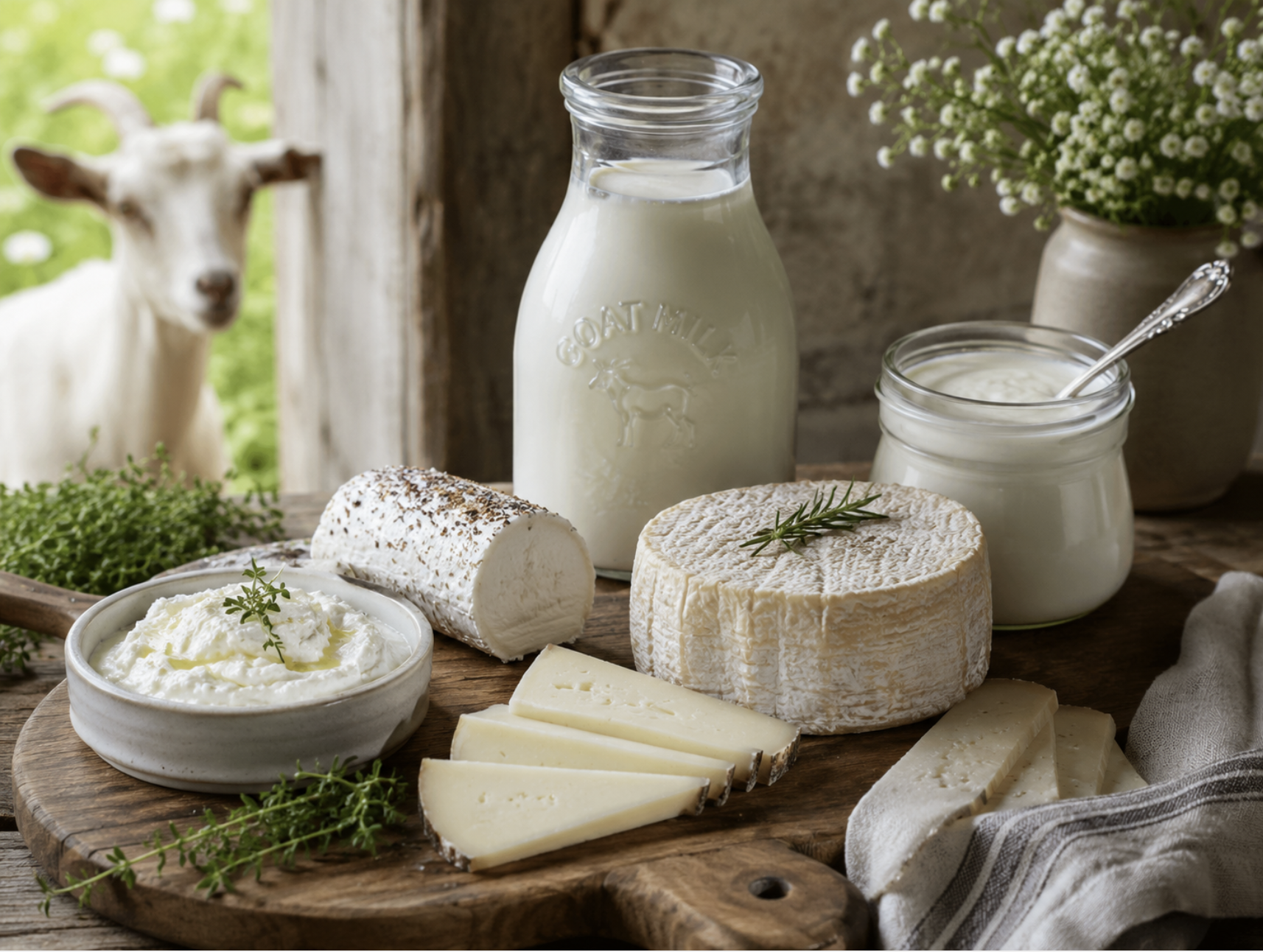
Another reason I believe goat milk deserves consideration is digestion. What foods are made from goat milk? Yogurt, kefir, chèvre, aged cheeses, and other fermented and cultured foods
Having nutrients in a food is only part of the story.
The body must be able to break that food down, absorb its nutrients, and use them.
This is something I have emphasized throughout my work.
Two people can eat exactly the same food and respond very differently. One person may thrive on a particular food while another may find that it simply doesn't agree with them.
That is why I never believe nutrition should be reduced to one universal list of foods everyone must eat.
We need to pay attention to the individual.
Why choose goat milk? Many people find goat milk appealing as an alternative to cow's milk, and for those who tolerate dairy well, I believe a quality goat milk product can be a valuable addition to a varied, whole-food diet.
It is not the answer for everyone, nor should one food be expected to provide everything the body needs.
It is one food among the many wonderful foods nature gives us.
Quality Begins Long Before the Food Reaches Your Table
One of the lessons I learned from Dr. Jensen—and one I continue to believe very strongly—is to consider the source.
Dr. Jensen raised French Alpine goats and paid close attention to the animals themselves. He understood that the quality of the milk didn't begin when it was poured into a glass. It began with the goat:
- What was the animal eating?
- Was it able to move naturally?
- What kind of environment did it live in?
- Was it receiving fresh, appropriate food?
- How was it cared for?
- How food quality affects nutrition?
- Why food sourcing matters?
Those questions remain relevant today.
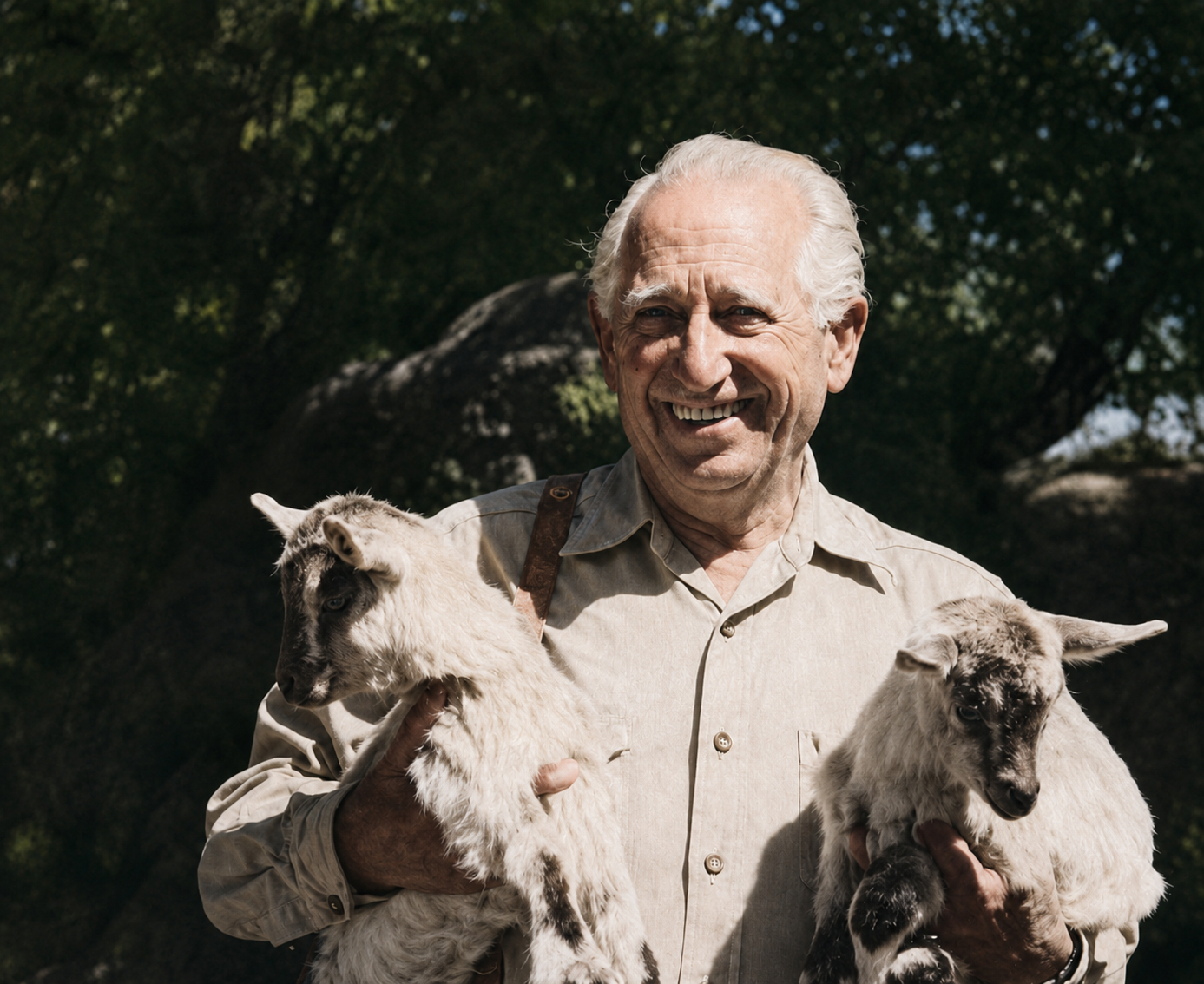
Whether we are talking about goat milk, vegetables, herbs, eggs, fruit, meat or any other food, quality has a history.
Before there is food on your plate, there is soil, water, sunlight, plants, animals, farming practices, handling, processing and transportation.
Food doesn't begin at the grocery store.
Understanding where our food comes from helps us make better choices about what we put into our bodies.
What Iridology Has Taught Me About Nutrition
One of the great gifts of studying iridology is that it teaches you to observe.
It teaches you to look for patterns rather than focusing on one isolated symptom or one isolated part of the body.
That philosophy naturally carries over into nutrition.
I don't look at goat milk—or any food—as a treatment for a particular condition.
I look at the larger question:
- How are we nourishing the body?
- Are we providing enough variety?
- Are we getting minerals and trace elements?
- Are we eating foods as close as reasonably possible to the way nature provided them?
- How is digestion functioning?
- How does the individual respond to the foods they are eating?
- Are we nourishing ourselves—or merely filling ourselves?
There is a difference.
A person can consume plenty of calories and still have a diet that lacks nutritional diversity.
That is why I continue to encourage people to look beyond calories and begin thinking about the actual nourishment their food provides.
Goat Milk Is Part of a Much Larger Conversation
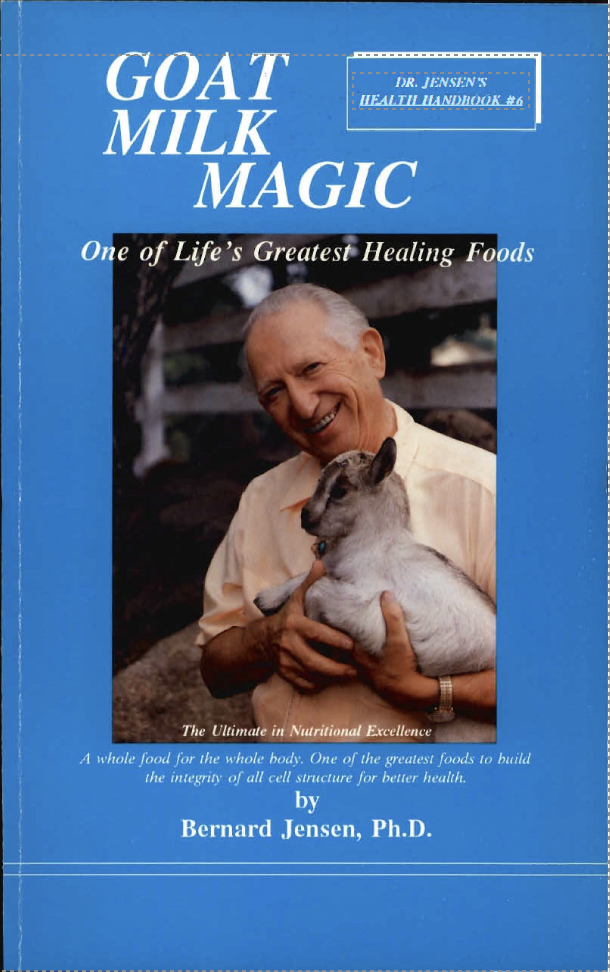
Dr. Jensen wrote Goat Milk Magic because he had a deep appreciation for goat milk. He raised goats, studied their milk, observed the people he worked with, and devoted a significant portion of the book to its nutritional composition.
But one of the things I took from his teaching was never to become so enthusiastic about one food that we forget the rest of nature's abundance.
I feel the same way today.
I recommend goat milk, but I also recommend variety.
- Fresh vegetables.
- Fruits.
- Greens.
- Herbs.
- Nuts and seeds.
- Quality sources of protein and healthy fats.
- Mineral-rich foods.
Whole foods that provide the body with a broad spectrum of nutrients.
No single food has to carry the entire nutritional burden.
The Principles I Still Live By
Dr. Jensen used five simple words when talking about food:
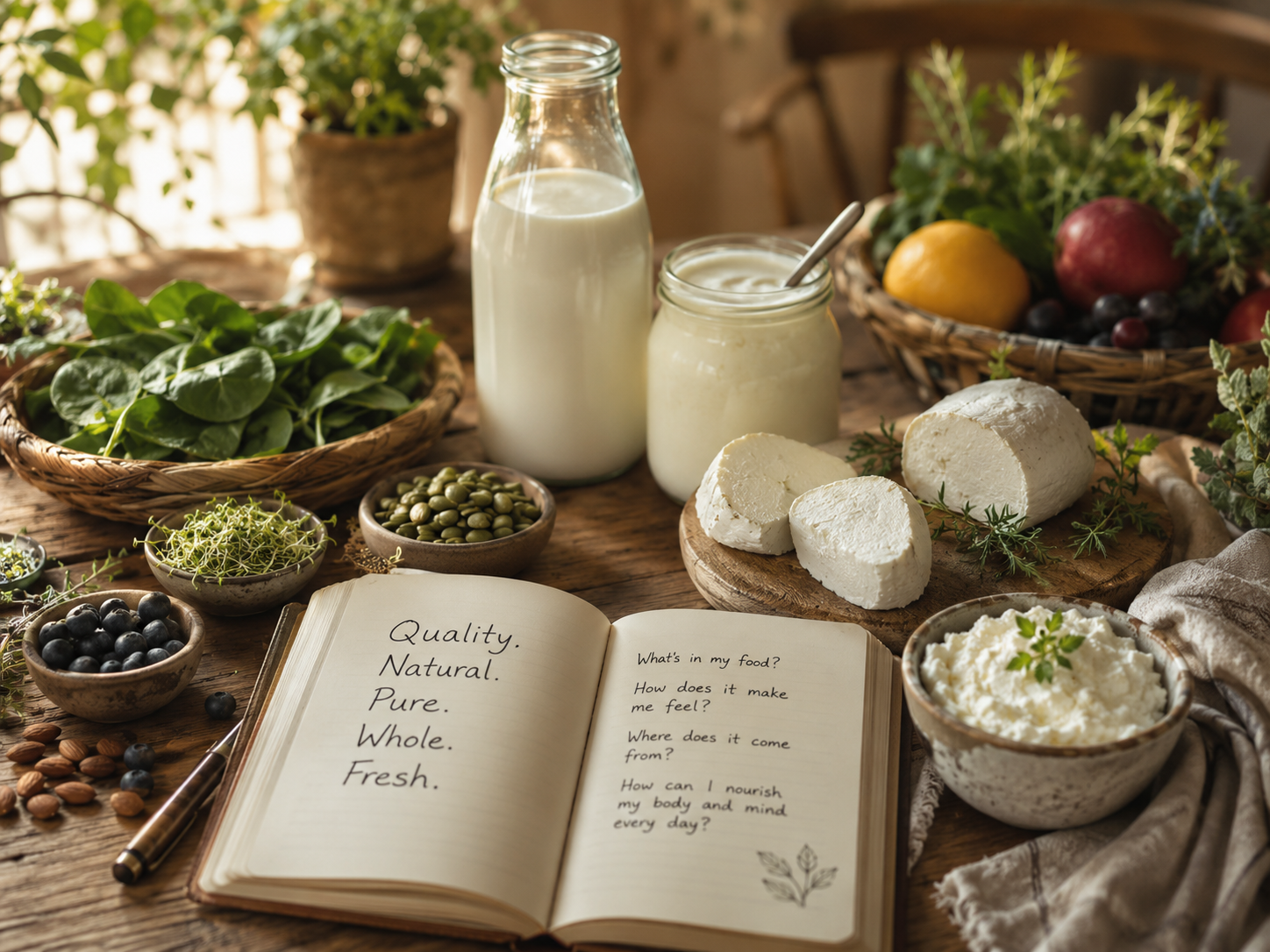
Quality. Natural. Pure. Whole. Fresh.
Those ideas influenced me deeply.
Over the years, I have continued to study, teach and develop my own understanding of nutrition and the human body, but I still find myself returning to those fundamentals.
Nutrition doesn't always have to be complicated.
We can begin by asking:
- Is it real food?
- Where did it come from?
- What nourishment does it provide?
- Can my body digest and use it?
- How do I feel when I eat it?
Those questions can tell us a great deal.
My Recommendation Today
I still believe quality goat milk can have a place in a healthy, varied whole-food diet for people who tolerate it well.
I appreciate it as a source of nourishment.
I appreciate its minerals.
I appreciate the traditional use of cultured goat milk foods.
And I appreciate that it brings us back to an important conversation about where our food comes from and how much its quality matters.
But perhaps most importantly, I recommend that we become students of our own bodies.
- Learn.
- Observe.
- Ask questions.
- Pay attention to digestion.
- Pay attention to how foods make you feel.
- Choose quality whenever you can.
- And don't become so focused on the newest diet, supplement or nutritional trend that you forget that nature has been providing us with remarkable foods all along.
That is something I learned many years ago from Dr. Jensen.
It is something my work in iridology and nutrition has continued to reinforce.
And it is something I am grateful to continue sharing today.
With love and good health,
Ellen Jensen
A Note About Historical Recommendations
Dr. Bernard Jensen's Goat Milk Magic was first published in 1994. Some recommendations in the original book—including discussions involving raw milk, infants, children and particular health conditions—reflect the practices and understanding of that period and should be viewed as historical teachings rather than current medical guidance. Individual dietary needs and tolerances vary, and questions concerning specific health conditions should be discussed with an appropriate healthcare professional.